


Practical Tips
Ultimate Australia Flight Guide: Best Months to Fly & Secret Route Hacks
Read in
The Koalo team 5 min read
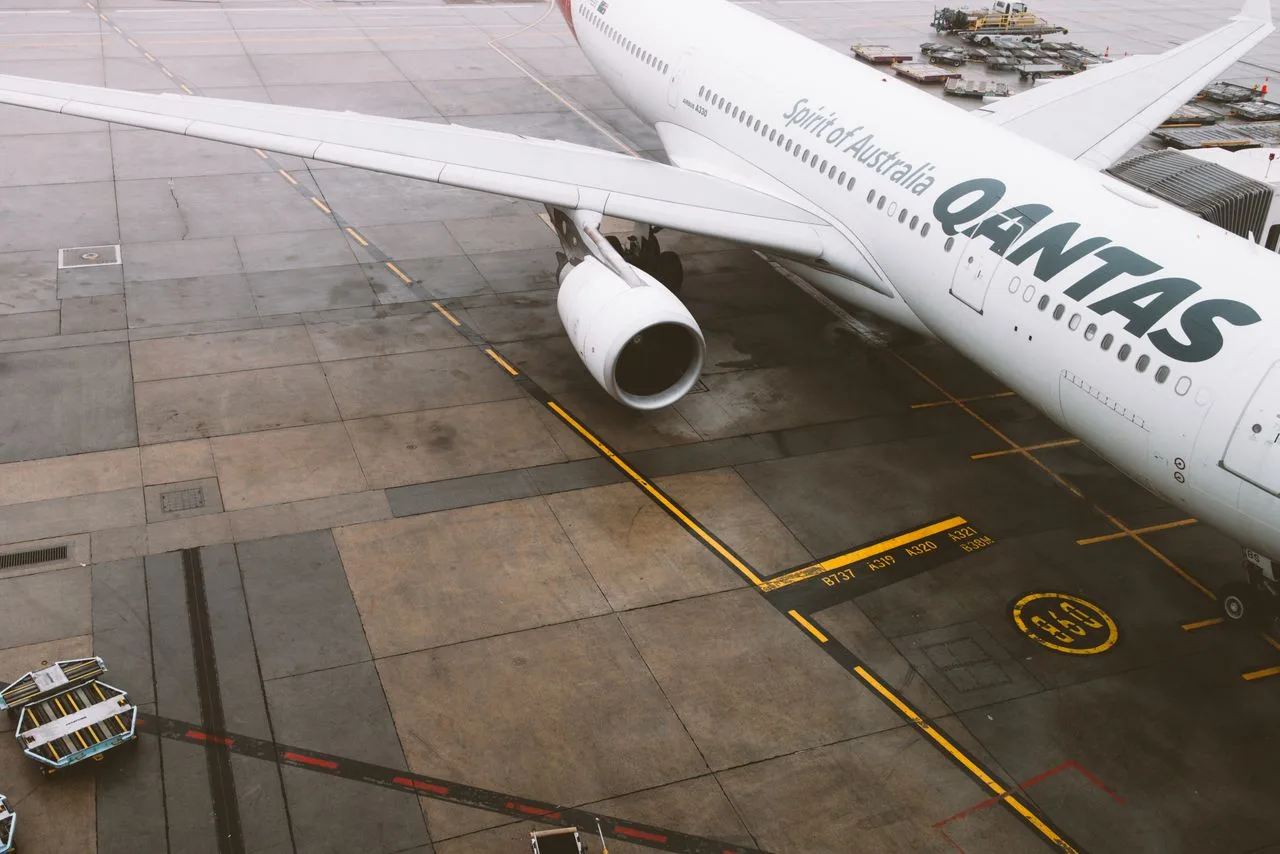
Planning a flight to Australia involves more than just finding a low fare. Given the continent's size, your arrival city and timing will dictate the climate you experience and the ease of your regional transfers. This guide examines the logistics of long-haul travel to the Southern Hemisphere, focusing on seasonal patterns and transit efficiency.
When is the best time to fly to Australia?
There is no single best month for all travellers, as Australia’s climate varies by latitude. According to Tourism Australia seasons, the country is split into temperate and tropical zones.
For those visiting southern cities such as Sydney, Melbourne, or Adelaide, the shoulder seasons of spring (September to November) and autumn (March to May) offer mild temperatures. If your itinerary focuses on the Great Barrier Reef or the Top End, the winter months of May to October align with the dry season. During this period, humidity is lower and many regional tour operators are in full operation. Conversely, the southern summer (December to February) coincides with the Australian school holiday period, which typically sees peak demand for both international and domestic flights.
What are the most efficient flight routes to Australia?
Australia’s massive scale means that backtracking can be a significant drain on your holiday time. Rather than a traditional round-trip to a single city, an "open-jaw" ticket—arriving in one city, such as Perth, and departing from another, like Brisbane—is a logical choice for those wishing to see more of the country without redundant travel.
For example, a traveller could fly into Sydney to explore the iconic harbour and fly home from Cairns after visiting the reef. This avoids the need for a long domestic flight back to the original entry point. When researching these routes, compare the cost of a multi-city through-ticket against two one-way international fares. Through-tickets often provide better protection if one leg of your journey is delayed. Understanding the Hidden Costs of Flying to Australia can help you budget for these more complex itineraries.
How do transit hubs and layovers work?
Flights to Australia from Europe or the Americas involve significant distances. Common transit hubs include Singapore, Doha, Dubai, Los Angeles, and San Francisco. While many routes are direct, many others require at least one stop. When choosing a transit point, check the specific entry or transit visa requirements for that country, as rules vary based on your nationality and the length of your stay.
From some departure cities, the complete journey can exceed a day once connections are included. While shorter layovers may seem efficient, they increase the risk of missing a connection if your first flight is delayed. If you book separate tickets (for example, a low-cost carrier to a hub and a major airline for the long-haul leg), you are responsible for any missed connections and will usually need to collect your luggage and re-clear security at the hub.
How do domestic connections in Australia work?
One of the most frequent points of confusion for travellers is the first port of entry. When arriving internationally and connecting to a domestic service, plan to complete Australian entry formalities at your arrival airport. International transit arrangements can differ.
If you have a connecting domestic flight, you generally must collect your checked luggage, clear customs, and then drop it at the domestic transfer desk or check-in counter. According to Virgin Australia connecting flights, passengers should ensure they have sufficient time to transit between international and domestic terminals, which are often in separate buildings.
Similarly, Jetstar baggage transfers notes that while some international-to-international connections might offer through-checked bags, domestic transfers almost always require manual collection and re-screening. Always check the specific terminal layout and shuttle options with the airport operator before you fly.
Strategic Route Choices for Value
While no specific booking day guarantees a lower price, your choice of arrival city can influence the total trip cost. Consider flying into secondary gateways like Brisbane or Adelaide if fares to Sydney or Melbourne are high due to major sporting events or festivals.
Does my international baggage allowance apply to domestic flights?
Not necessarily. A common pitfall is assuming that a 30kg international allowance will carry over to a domestic flight booked on a separate ticket. Domestic allowances depend on the airline, fare and whether checked baggage was purchased. Compare the exact weight and piece limits shown on each ticket.
If you book your entire journey as a single through-ticket, your international baggage allowance is often honoured for the domestic legs, though you should verify this in your specific fare conditions. If booking a low-cost carrier for a local connection, ensure you pre-purchase sufficient weight, as airport fees for excess baggage are typically higher than pre-paid rates.
Preparing for Arrival
Before you finalise your flight, ensure you have reviewed The Ultimate Australia Packing & Pre-Departure Checklist (2026 Edition) to ensure you meet all current entry requirements.
Upon arrival, be aware that Australia has strict biosecurity laws. You must declare all food, plant material, and animal products. Failure to declare these items can result in significant on-the-spot fines. For those arriving on long-haul flights, allowing a buffer day in your first city is recommended to adjust to the new time zone before embarking on further domestic travel or driving long distances.
Sources and Planning Notes
This guide synthesises official guidance from Tourism Australia regarding seasonal travel and operational policies from carriers including Virgin Australia and Jetstar. Information regarding customs and baggage handling reflects standard Australian Border Force procedures. All flight availability, route options, and baggage rules are subject to change by individual airlines. Travellers are advised to reconfirm all details directly with their chosen carriers and check current visa requirements via official government channels before booking.
To enhance your journey with location-aware stories and offline support for your saved guides, Explore Koalo.
Read next
For more detail on a place in this guide, read Sydney Harbour on foot.
Image source: Josh Withers from Pexels
Questions people ask
- What is the best month to fly to Australia for good weather?
- For southern cities like Sydney and Melbourne, September to November and March to May are ideal. For the northern tropics, May to October is the preferred dry season.
- Do I have to collect my luggage at the first Australian city I land in?
- For an international arrival connecting to a domestic flight, plan to collect your checked bags for customs and biosecurity before re-checking them. Follow your carrier’s instructions for your actual itinerary; international transit is different.
- Are 'secret' booking days like Tuesday actually cheaper?
- No. There is no verified evidence that specific weekdays are universally cheaper. Fares fluctuate based on demand, seasonal events, and school holiday periods.
- Is an open-jaw ticket more expensive than a round-trip?
- An open-jaw ticket lets you arrive in one city and leave from another. It can avoid a return journey across Australia, but fares vary. Compare the complete ticket price plus domestic transport before deciding.
- How much time should I leave for an international-to-domestic transfer?
- You should allow several hours. You must clear immigration, collect bags, pass through customs, and often change terminals via shuttle or train before checking in for your next flight.
Heading there? Take Koalo with you.
Snap what you see and hear the story, free, in your language.
Open Koalo