


Wildlife
Meeting Australian wildlife without crowding it
Read in
The Koalo team 6 min read
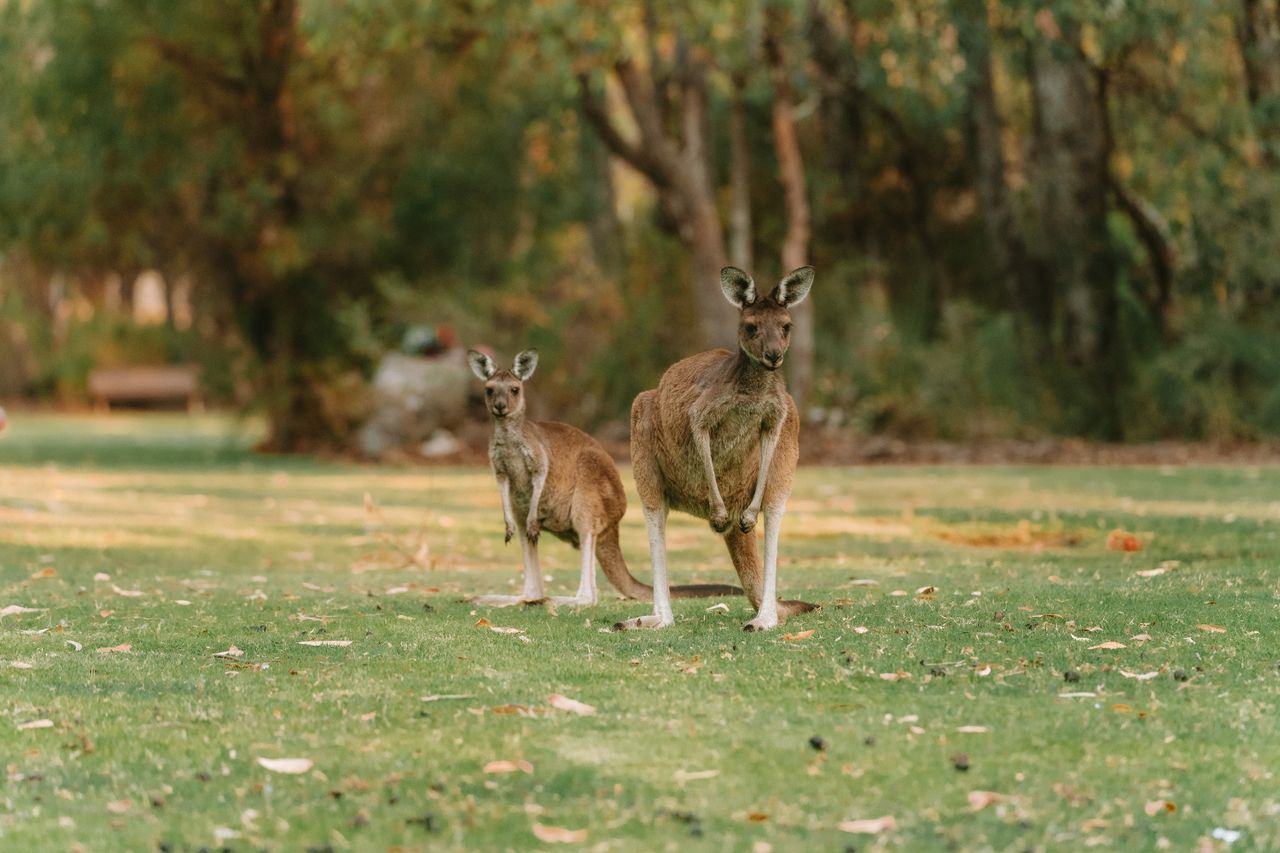
The best encounter begins with space
Australian wildlife often appears when you stop trying so hard. A wallaby may emerge at the edge of a track; a koala becomes visible only after you follow the direction everyone else is looking; shorebirds return when people move back from the tideline.
Keep a generous distance and use zoom rather than approaching. Never block an animal’s path, surround it for a photograph or offer food. Feeding changes behaviour and can make animals ill. If an animal changes direction because of you, you are already too close.
Choose the right hour
Early morning and late afternoon are active times for many species. They also bring low light and more animals near roads, so drive slowly. For nocturnal wildlife, use a guide where possible and avoid bright lights. Red-filtered torches are less disruptive, but local rules always come first.
Make the sighting count
Ethical sanctuaries and citizen-science projects can deepen an encounter. Ask how an operator supports conservation and whether handling is necessary. The goal is not the closest selfie; it is leaving with a better understanding of how the animal lives — and leaving the animal to carry on.
Planning the practical side of this trip? Read Beyond the Opera House: 7 Hidden Gems in Australia Most Tourists Miss and 5 Apps Every Traveler Needs to Download Before Landing in Australia.
Image source: Line Knipst from Pexels
Questions people ask
- How close is too close?
- If the animal watches you, retreats, changes direction or stops feeding, move farther away.
- Should I feed wild kangaroos?
- No. Human food can cause illness and feeding encourages unsafe behaviour around roads and people.
Heading there? Take Koalo with you.
Snap what you see and hear the story, free, in your language.
Open Koalo