


Road Trips
A quieter way to travel the Red Centre
Read in
The Koalo team 7 min read
Arrive with time
The Red Centre is often described through colour: rust-red earth, blue sky, violet dusk. Yet its strongest impression may be sound — wind through desert oak, birds at a waterhole, footsteps on sand. Leave enough space in your itinerary to hear it.
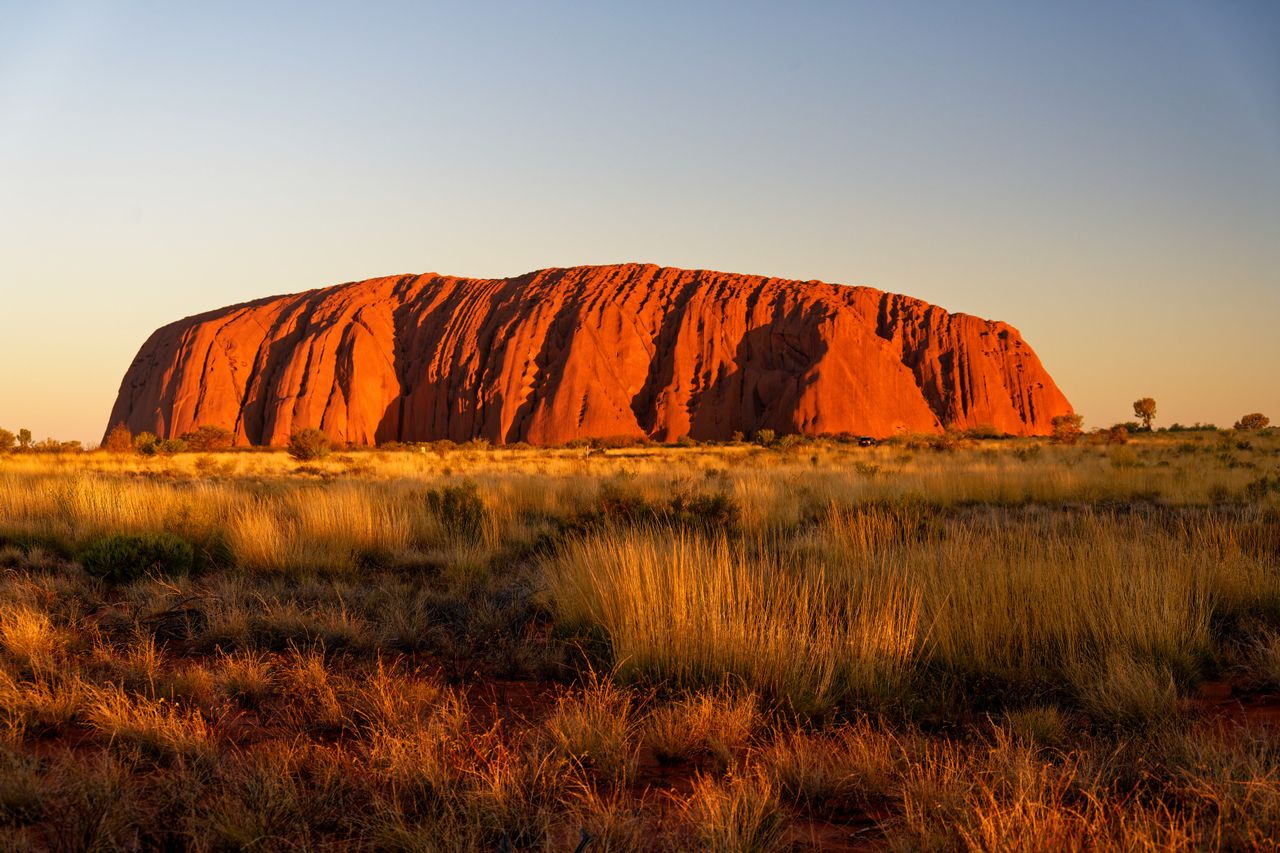
Uluṟu and Kata Tjuṯa are living cultural landscapes on Aṉangu Country, not scenic props. Join a ranger or Aṉangu-led experience when available, read the signs and respect requests not to photograph culturally sensitive places. The decision not to climb Uluṟu is part of that respect.
Work with the heat
Walk early, carry more water than you expect to need and follow seasonal closures. Midday is a time for shade, a cultural centre visit or rest. At sunrise and sunset, use designated viewing areas and stay a little after the crowd turns away; the quieter minutes are often the best.
Look beyond one rock
Kata Tjuṯa’s domes, Kings Canyon and the desert around Alice Springs each deserve time. Distances are large and fuel stops matter. Plan carefully, then slow down. In a landscape this old, rushing is the quickest way to miss what is in front of you.
Planning the practical side of this trip? Read 10 Iconic Australian Experiences You Need to Book Months in Advance and The Perfect 2-Week Australia Itinerary: A Realistic Daily Guide.
Image source: Gu Bra from Pexels
Questions people ask
- When is the most comfortable time to visit?
- The cooler months, roughly May to September, usually offer milder walking conditions, though nights can be cold.
- May I photograph Uluṟu?
- Yes in many places, but some culturally sensitive areas are marked as no-photography zones. Always follow signs.
Heading there? Take Koalo with you.
Snap what you see and hear the story, free, in your language.
Open Koalo