


Road Trips
Great Barrier Reef: beyond the postcard
Read in
The Koalo team 7 min read
A living place, not a backdrop
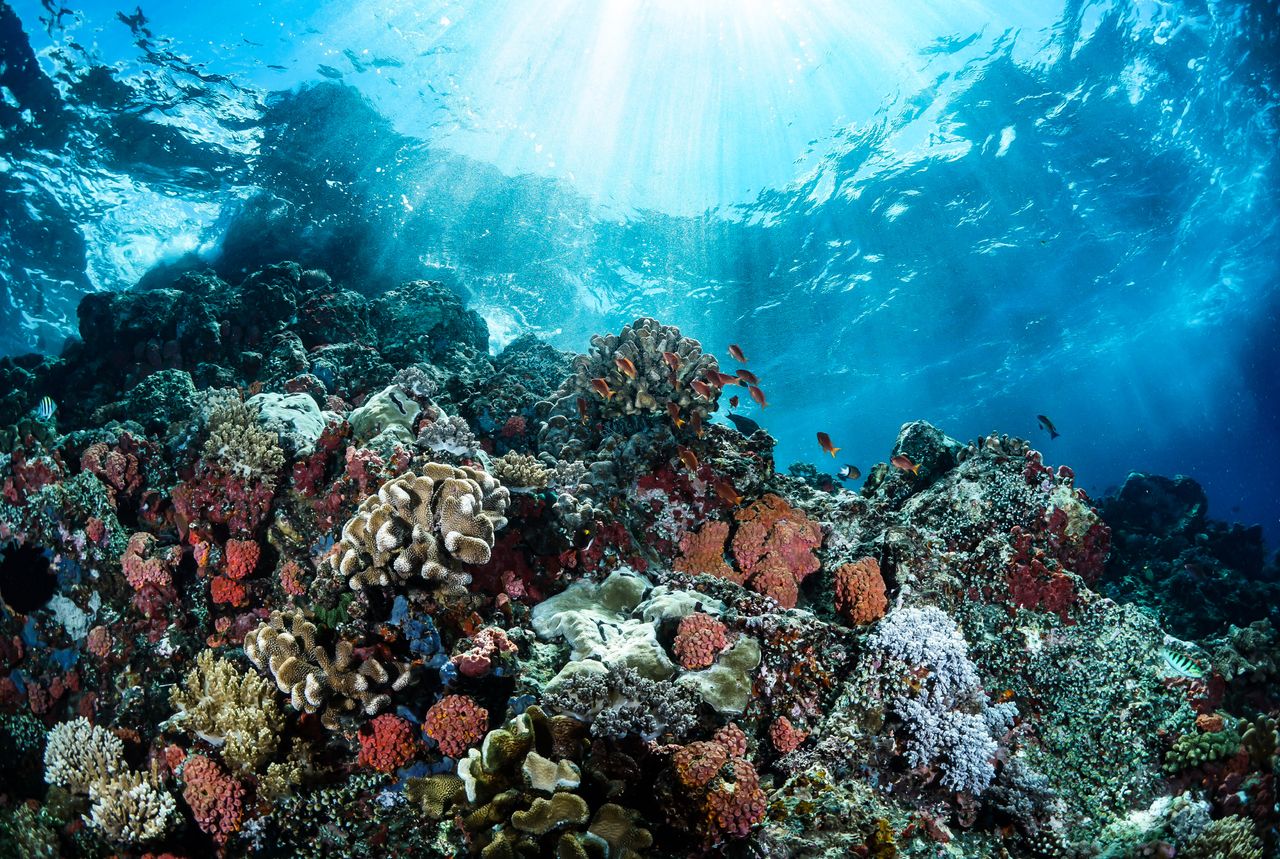
From the air, the Great Barrier Reef looks almost impossible: turquoise shallows stitched with darker coral and deep-blue channels. At water level it becomes more intimate. Parrotfish scrape at coral, giant clams hold flashes of electric colour, and the surface shifts with every passing cloud.
The reef is also Sea Country. Aboriginal and Torres Strait Islander peoples have cared for these waters for thousands of years, and many trips now include Traditional Owner perspectives. Listen closely: the cultural story gives the landscape a depth no postcard can carry.
Choosing your day
Cairns offers the widest range of trips, while Port Douglas places you closer to the outer reef. The Whitsundays combine sailing with island scenery. A smaller vessel can feel more personal; a larger pontoon may suit families or nervous swimmers.
Take reef-safe sun protection, secure everything before the boat moves, and follow the crew’s instructions around wildlife. The best souvenir is a memory — not a shell.
Travel with care
Choose an accredited operator, avoid touching coral, and give turtles and rays space. Conditions vary, so build some flexibility into your plans. A calm morning, an unhurried snorkel and a good local guide can turn a famous view into something you genuinely understand.
Planning the practical side of this trip? Read Best Base Camps in Australia for Exploring the Great Barrier Reef & Outback and Meeting Australian wildlife without crowding it.
Image source: Adiprayogo Liemena from Pexels
Questions people ask
- Where should I leave from?
- Cairns has the broadest choice, Port Douglas is handy for the outer reef, and the Whitsundays suit sailing and island stays.
- Can non-swimmers visit?
- Yes. Many larger boats offer pontoons, glass-bottom boats and guided introductory sessions.
Heading there? Take Koalo with you.
Snap what you see and hear the story, free, in your language.
Open Koalo