


Wildlife
Is Everything in Australia Out to Kill You? The Realist's Guide to Wildlife & Ocean Safety
Read in
The Koalo team 9 min read
Memes versus reality
Australia does have venomous snakes and spiders, but you're very unlikely to meet a dangerous one in a city hotel. Serious bites are rare, and effective antivenoms and first aid are well established. For most visitors, the realistic risks are far more ordinary.
The real number one: rip currents
Rips are strong channels of water flowing away from the shore. They're the leading natural hazard for visitors at Australian beaches.
- Swim between the red and yellow flags. These mark the area patrolled by lifeguards.
- Spot a rip: look for darker, calmer-looking gaps between breaking waves, or rippled, sandy water heading out.
- If you're caught: don't fight it. Float, raise an arm to signal for help, and swim parallel to the shore once the pull eases.
Tropical waters in the north
Stinger season
In tropical Queensland and the Top End, box jellyfish and Irukandji are present mainly from about November to May. Swim in netted enclosures where provided, wear a stinger suit on reef trips, and pour vinegar on a box jellyfish sting while calling for help.
Crocodiles
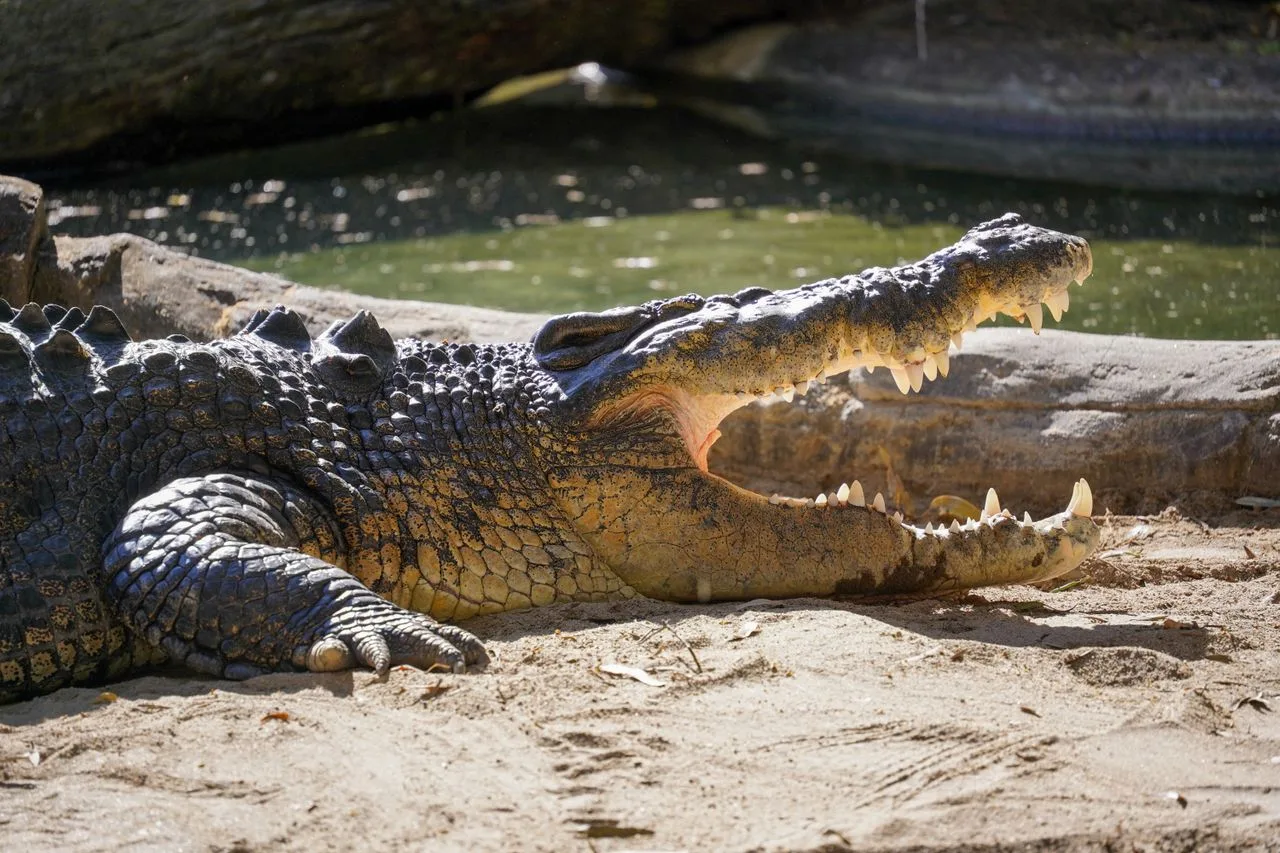
Saltwater crocodiles live in rivers, estuaries and some coastal waters across northern Australia. Obey every warning sign, stay well back from the water's edge, and never swim where you're unsure.
Everyday critters you'll actually meet
- Magpies: In spring, some swoop to protect nests. Walk calmly through, or take another route.
- Huntsman spiders: large, fast and harmless to people.
- Possums and bush turkeys: bold around campsites and picnics. Keep food secured.
- Snakes: If you see one on a trail, stop, back away slowly and give it space. Most bites happen when people try to catch or kill them.
Sun and heat
UV levels in Australia are high, even on cloudy days. Use SPF 50+ sunscreen, wear a hat and sunglasses, and drink more water than you think you need. Sunburn ruins more holidays than any animal.
Look, don't touch
Curious about a bird, plant or creature? Snap a photo with Koalo from a respectful distance to hear its story without disturbing it.
Learn more in Meeting Australian wildlife without crowding it, Listening to the Daintree and Great Barrier Reef: beyond the postcard.
Image source: Peter Xie from Pexels
Questions people ask
- Do I need to pack antivenom?
- No. Antivenom is held by hospitals and ambulance services. Learn basic pressure-bandage first aid if you're hiking.
- Can you swim in the ocean at Cairns and Port Douglas?
- Yes, with care. During stinger season use netted enclosures and wear a stinger suit on reef trips.
- What should I do if a jellyfish stings me?
- Get out of the water and seek help. In tropical waters, pour vinegar on the sting and call emergency services (000) for severe symptoms.
Heading there? Take Koalo with you.
Snap what you see and hear the story, free, in your language.
Open Koalo